

Nest & Neighbors: Whole Brother Mission
Nest DC
We’re grateful to spotlight
Whole Brother Mission, an organization doing the quiet, vital work of closing the gap between men and mental health support. Founded right here in DC, they are tackling the reality that while many men are taught how to function and provide, they aren’t always given the tools to process what’s happening internally.
Their approach is grounded and necessary: meeting men where they are through a national network of therapists and community-based programs that make vulnerability feel accessible rather than a burden. We caught up with the team to talk about the silent toll of "pushing through" and a major campaign they have in motion right now.
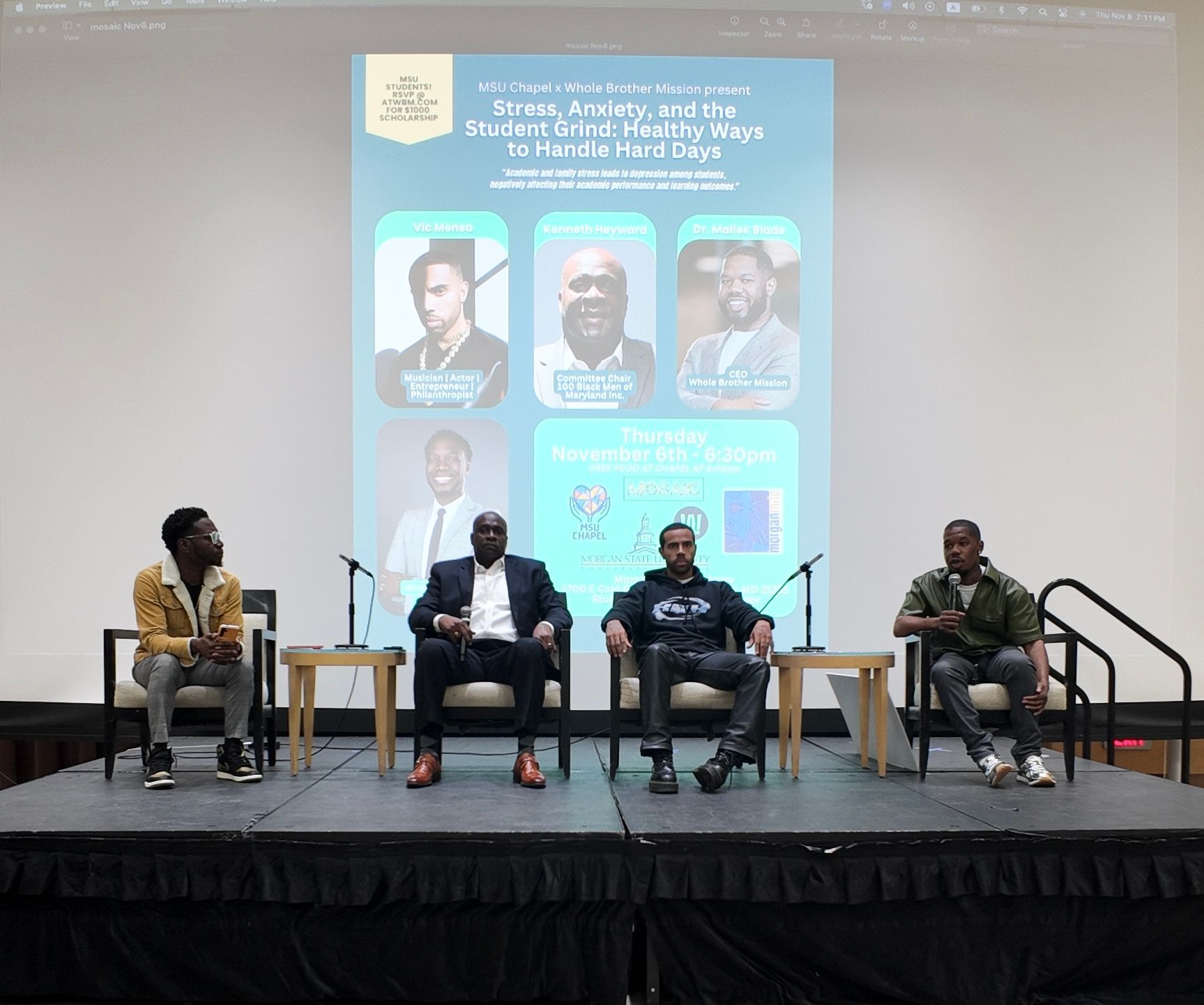
Q: Tell us a bit about Whole Brother Mission and the work you’re doing. What’s at the heart of it?
A: “Whole Brother Mission exists to close the gap between men needing mental health support and actually accessing it. Most men are taught how to function, not how to process. They can provide, solve problems, and keep moving, but they’re rarely given a clear way to understand what’s happening internally or how to communicate it.
We built something men will actually engage with. That includes free therapy for men who can’t afford it, a national network of over 3,000 mental health professionals, and community-based work that meets men where they are. At the core, this is about helping men understand themselves before things break down in their lives.”
Q: What are you seeing on the ground right now? What need or gap is your work helping to fill?
A: “The biggest gap isn’t awareness. It’s access and engagement. People say men need therapy, but they don’t account for cost, trust, or how men are socialized to avoid vulnerability. What we’re seeing shows up as emotional shutdown, distance in relationships, isolation, and stress that has nowhere to go. It doesn’t always look like crisis, but it still takes a toll. We’re filling the gap between ‘men should get help’ and men actually getting help in a way that feels accessible and relevant to them.”
Q: Who are you showing up for, and what does this work mean in their day-to-day lives?
A: “We’re showing up for men who are carrying more than they have space to process. That includes men who are unemployed or uninsured, men returning home from prison, college students, and men who are functioning on the outside but struggling internally. In their day-to-day lives, this work means having somewhere to go before things escalate. It means being able to talk, understand what they’re dealing with, and build healthier ways of responding instead of just pushing through.”
Q: What’s something you’re especially proud of so far?
A: “We’ve built a national network of over 3,000 mental health professionals across all 50 states and DC, and we’ve been able to provide free services to men who otherwise wouldn’t have access. We’ve also brought structured mental health conversations directly to college campuses and communities, instead of waiting for people to come to us. The work is already in motion, regardless of attention. That’s what we’re proud of.”
Q: Anything coming up we should have on our radar?
A: “Right now, we’re in the middle of our most important campaign of the year. From May through June, we’re raising
$61,000 in 61 days to fund the work that continues the rest of the year. A private donor has committed to matching the full amount if we reach the goal. If we do, that becomes $122,000. If we don’t, the match is not applied. This is the window that determines whether we maintain or expand access this year.”
Q: If someone reading this wants to support you, what’s the best way to do that right now?
A: “The most direct way is to
support the campaign here. This funding goes directly toward expanding free therapy, increasing the number of men we can reach, and sustaining the infrastructure that makes national support possible. If it resonates, sharing it is just as important. Visibility directly impacts whether we reach the goal.”
Q: What does being part of the DC community mean to you?
A: “DC is where a lot of this work has been shaped, as our CEO is a Washington DC native. It’s a city where you see both access and disparity up close. That contrast makes the need for this work clear. Being part of this community means building something that’s not just talked about, but actually used by the people who need it.”
Q: Where’s your go-to spot in DC to grab a bite or take a breather?
A: “More recently, Unconventional Diner.”
Whole Brother Mission is doing the heavy lifting to ensure the men in our lives don’t have to carry it all alone. By creating space to process rather than just "keep moving," they’re helping build healthier humans and a stronger community for all of us.
Their 61 Days Campaign is live right now, and since every dollar is being matched, your support goes twice as far. Whether you can donate or just share their mission with someone who needs to hear it, every bit of momentum counts.
To learn more or support the campaign, visit
https://gofund.me/7abf81cef.
To stay in the loop on all their work and initiatives, follow their socials at
@wholebrothermission
Do you have a local organization or initiative we should know about? We’re always looking to highlight the people and work shaping our community. Reach out at
nestletter@nest-dc.com, we’d love to hear from you!

Packing up or renewing? Tally the hidden costs, time (and sanity) before your next DC move to see whether staying or going actually makes sense for you.

Sharing an apartment with pets? Here's our guide to pet friendly living in shared spaces—keeping common areas calm, managing noise, and spreading good vibes.
We’re spotlighting Math Speaks Inc., a DC-founded organization reshaping how kids interact with numbers. Learn about their upcoming afterschool programs in Wards 7 and 8 this Fall.