


Co-Living: Making Room for Affordability and Community
Nest DC
Housing in Washington, DC isn’t one-size-fits-all. And it shouldn’t be. Some people want a place of their own. Others want flexibility. Some are here for the long haul, others for a chapter. The goal isn’t to push everyone into the same model. It’s to make room for different ways of living.
Affordability and accessibility are part of that equation. So is community. A home should support how you live, not make it harder.
Co-living offers one more way to do that. What is co-living? Co-living combines private living space with shared common areas, offering a more affordable, flexible way to live in the city while staying connected to the people around you. It’s not a cure-all, but it can be a smart, intentional option for people looking to stay connected and rooted in the city.
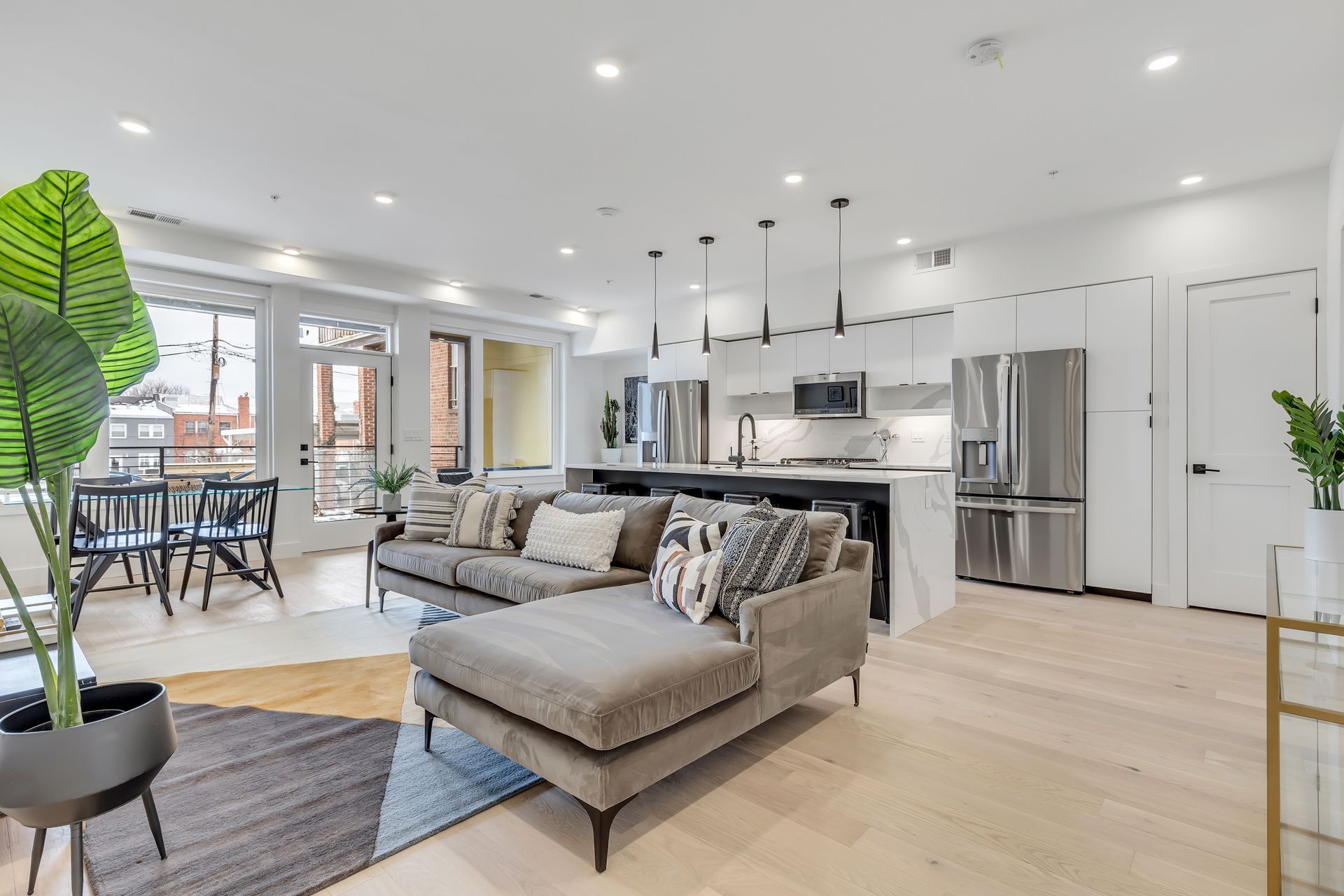
More than a budget decision
Co-living often enters the conversation through affordability, and for good reason. Sharing a home can significantly lower housing costs while allowing people to live in neighborhoods that might otherwise be out of reach. But what we see day to day is that cost is only part of the story.
People choose co-living because it offers:
- a way to live in the city without overextending financially
- flexibility during transitions or new chapters
- built-in community in a place that can feel overwhelming
- a home that feels intentional, not temporary
In a city where nearly half of households are made up of one person, that last piece matters. Living alone can be empowering. It can also be lonely. Co-living creates space for both privacy and connection, without forcing either.
Community, by design
Cities are full of people, but community doesn’t always come easily. Work schedules are demanding. Commutes are long. Social circles don’t always overlap with where we live.
Co-living changes that dynamic in small, meaningful ways. Shared kitchens. Casual conversations. Familiar faces at the end of the day. These aren’t grand gestures, but they add up. Over time, they create a sense of belonging that’s hard to replicate elsewhere.
We’ve seen co-living homes become places where people share meals, support each other through job changes, celebrate milestones, and build friendships that last well beyond a lease term. That kind of community doesn’t happen by accident. It happens when housing is designed with people in mind.
A tool for accessibility and flexibility
Affordability and accessibility are deeply connected. Co-living can offer an entry point for people who need flexibility, whether that’s financial, personal, or professional.
For some, it’s a way to land in Washington, DC without committing to a long-term lease right away. For others, it’s a stable option during a period of change. For many, it’s simply a housing model that aligns better with how they want to live right now.
Co-living isn’t about crowding more people into less space. When done well, it’s about thoughtful layouts, clear expectations, consistent management, and respect for the people who call these homes theirs.
Stewardship still matters
Like any housing model, co-living only works when homes are well cared for. Older buildings need attention. Systems need maintenance. Shared spaces need clear communication and accountability.
This is where management plays an important role. Co-living requires intention. It requires listening to residents, maintaining homes proactively, and treating shared spaces with the same care as private ones. When that stewardship is there, co-living can expand access without compromising quality or dignity.
Making room in the city
Co-living isn’t the answer to the housing affordability crisis. But it is one way we can make more room in cities like DC. Room for people at different life stages. Room for connection. Room for housing that feels workable, not just available.
At Nest DC, we manage co-living communities alongside traditional rentals, and we see the value of both. Our goal isn’t to push one model over another. It’s to support housing that allows people to stay rooted, stay connected, and stay in the city they’ve chosen.
In a place that can sometimes feel hard to break into, co-living offers a door that’s a little easier to open. Find all eleven of our co-living communities, spread throughout desirable neighborhoods in the District, here!
Learn essential DC rental compliance and property standards to keep your rental legally covered, avoid costly fines, and streamline property management.

Packing up or renewing? Tally the hidden costs, time (and sanity) before your next DC move to see whether staying or going actually makes sense for you.

Sharing an apartment with pets? Here's our guide to pet friendly living in shared spaces—keeping common areas calm, managing noise, and spreading good vibes.